Hello, This is the Doctor’s office…


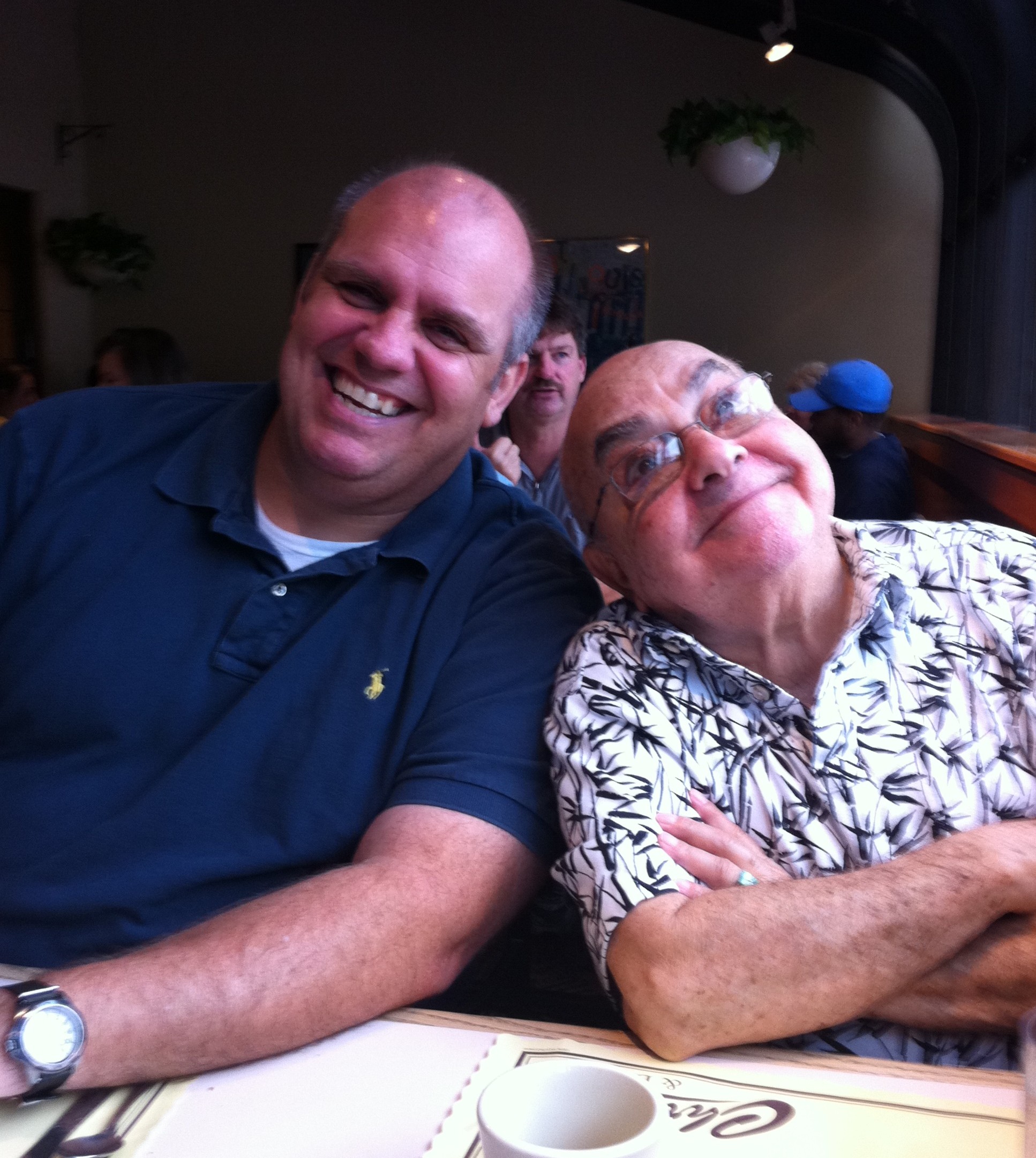
Anyone who knows this ‘Mutt and Jeff’ combination called Chris and Richard, know that one of us is blessed with patience, the other…while he does have a halo, can be just a tad short on patience at times…Today, rightly so!

For the past ten days, we have been awaiting word from the Chemotherapy office on confirmation on our appointment for next week.   When I left the house on Tuesday morning, we agreed that if we did not hear from the Chemotherapy doctor today, we would call to inquire about the date for the  appointment for next week.   We sure did hear from them today as the conversation started out like this…’You missed your appointment today.’

Of course, they laid blame to us stating…”we called you and left a message”…’funny’ how people still use that line when everyone now has caller I.D.   ‘Funny” how both the radiologist and the chemo-therapist, (who have been coordinating the treatments from the beginning) can’t seem to be on the same page with scheduling treatments.   I understand that these jobs can be daunting, yet to lay blame and to upset the patient shows a lack of  respect due to the individual who is dealing with the illness.While it is not Christmas, every patient should be treated like it is Christmas…with kindness, with understanding, with warm greetings.   Today’s call was quite upsetting to ‘The Little One’…It is his body, it is his mind, and it is his life To be berated over the phone for a ‘missed appointment’ when there was clear confirmation that both treatments would be stating the week of the 29th, is  unprofessional.  ‘Can you come tomorrow’ she said…’we’ll just fire up our corporate jet”, he said. She was clearly out of touch; it through him into a whirlwind of anger, frustration and contemplation.   Emotions that he did not need at this time, as the past few days have been difficult for him.

The role of an advocate is to intercede and intercept these types of conversations so that the patient can focus on getting better.  This one slipped through our hands today, now all communication will be handled  through the advocate, the partner, and the friend.  No office staff will have the opportunity to be insulting to this patient ever again.

May our hills be light and a gentle breeze always be at our back…

It is an HONOR to be an advocate…

3 Comments

Filed under Caregiving, The Purple Jacket

Decisions, Decisions…and the love of our friends…


Chemotherapy and Radiation: Radiation and Chemotherapy…can’t live with them, can’t live without them. It is a necessary evil; what is one to do? …Well…we move ahead with our head held high!

As we get ready to face our life changing event; we are comforted by the support that has been shown to us by so many people. The way we are going to get through this is simply by the love and support that our family and friends have shown us. While cancer is a life changing experience, we will not allow the cancer to take control of our lives. The human body is so complex, and each one of us reacts to medication is many different ways. Until the treatments begin next Monday, we have no idea how ‘The Little One’s’ body will react. Overcoming our fears, moving ahead with the treatments, we turn our trust over to a higher power. Coming from two different faith backgrounds, (Jewish & Catholic…by the way, who said mixed marriages did not work? 🙂 ) we tend to look at the ‘higher power’ component in a different way. Yet what is common in the belief in this ‘higher power’ is the ability to love, the ability to care, the ability to look beyond oneself. Life is made hard when life events take control of our lives…it is when we release control that we are free…free to love, free to learn and free of all that binds us…that is how we will be free of this insidious disease called cancer

Leave a comment

Filed under Caregiving, The Purple Jacket

Out, About and 20% Down


As we move closer to the start of the Chemotherapy and Radiation, (looks like we’ll be starting on August 29th), we are attempting to go about our lives as best we can.  The long and introspective talks are followed by fun and laughter.  In our opinion, humor is the best way to go about dealing with a serious illness.  Humor and sarcasm can go a long way in taking the ‘edge’ off serious health related issues.    While we want to be politically correct, we want to be able to talk freely about what we are dealing with because this disease has a profound affect on both of us.  We are in this together, side by side…one by one.  There is no other way to deal with this than head on; we are present to each other in our words, actions and deeds.  While I can’t feel his ‘pain’, I can’t let it go unnoticed either.

During our discussions this week, I have learned that there is a 20% co-pay for the radiation treatments.  Florida insurance can be tricky; yet luckily there are terrific resources available in Florida for seniors.   The Aging and Disability Center of Broward County is a great source for us http://www.adrcbroward.org/ as is my old stomping ground…Broward County Elderly and Veterans Services…http://www.broward.org/eldervets/Pages/Default.aspx.

I am often amazed at how few people (seniors) access services that are available; hence the need for an advocate!   20% is quite a bit for someone who is on a fixed income to come up with on a moments notice.   What does one do when their insurance will not pick up the entire tab?   Our country can give millions of dollars abroad, yet at times, we have trouble taking care of our own.  It can be perplexing?

When one is dealing with the trauma of being sick and having cancer; all their efforts should be focused on getting better.  Having an advocate will help alleviate the burden of all the ‘red-tap’  that comes with dealing with insurance companies, multiple health care providers and the such.   I often wonder and have seen it for myself…’How does a senior, or anyone for that matter,  fend for themselves when they are sick and  alone?’  Some are to proud to reach out for help;  some families are too scared and broken to know when, or ever worse, how to help.

Senior care is a big money making business; while there are plenty of wonderful, mission driven  non-profit organization  caring for seniors,  there are other organizations who make their health care decisions based on the financial bottom line.  My advice is to choose wisely; hence, another need for an advocate…hence the need for love, passion and commitment.

The advances in Medicine has far outweighed the advances in caring for our seniors.  People are living longer and money does not go as far as it once did.  I often chuckle when I hear the debate in regards to Social Security reform.  How many people recall that when FDR started to implement the Social Security System, the average age expectancy was in the late 50’s early 60’s. Of course it was a good deal at the beginning…how many people lived beyond the average age expectancy?  According to the Census Bureauhttp://www.census.gov/compendia/statab/2011/tables/11s0102.pdf the average life expectancy today  is 79.5.  I’ve never been a math whiz, yet looking at the life expectancy in the 1930’s versus today, there is a 19 year difference in the life expectancy rate over the past 80 years.  Multiply that with the increase of our population…well, I think you know where I’m going with that; the figures are astounding!  It is no wonder the system is broken…

Times have changed, but change is difficult.  The debate will continue in the halls of congress, yet to do nothing, is not taking on the role of an advocate, which in my opinion, is a role our government has often overlooked in today’s political process. While we should not solely relay on our government for aid and assistance; our government should not be the  road block to the assistance as well.    Leadership and advocacy comes hand in hand; you can’t do one without the other.  It is difficult to make decisions based on a need, unless you have experienced that need.  How many politicians have trouble coming up with the 20% down?

At the time of the depression in the 1930’s there was a radical call to action, “million of people were unemployed, and those circumstances led to many calls for change.” If you listen to the news today, that sounds quite familiar.  There is radical call for change, yet the government is to polarized to change. Change will come when the people stand up for it; that does not seem to far around the corner. (Follow the link for some great information on the history of Social Security http://www.ssa.gov/history/briefhistory3.html).

At the time of the great depression and beyond,  families cared for each other,  it was the right of passage.    Grandparents were not set aside, yet celebrated and cared for with honor and dignity and often in the family home.  While families today are ‘different’…we all have to set aside the time to care for each and everyone in our family.  It is our human responsibility to care for those whom we love, and whom we entrust our lives too.
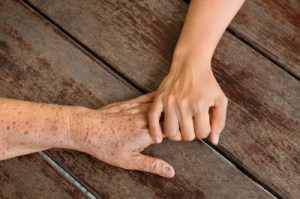
I close this evening with this simple, yet complex analogy of how times have changed over the years.  Using the 30’s as an example…other than medical personnel, no one was allowed in the delivery room at a hospital when a baby was born.  Today, families celebrates the birth of a baby with a ‘welcoming committee’ in the delivery room; it is a beautiful event.  In contrast, in the 30’s, generations of families lived together in one household, and at the time of death, the wake of a loved one was right at the home of the deceased.  As these important life rituals have changed, we must continue to be mindful of how we celebrate life.

If we are to celebrate life, we need to celebrate all parts of life.  As the birthing process has changed over the years to a welcoming committee of family and friends; too many seniors are dying alone, without much fanfare, without much hope.  As we ponder our future; let us celebrate life to its fullest; let no one go unnoticed at their time of birth or at their time of death.   Because in the scheme of things, that 20% down, pales in comparison to the love and commitment of our family and friends during our entire lifespan; love is what makes life work!

1 Comment

Filed under Caregiving, The Purple Jacket

Cancer and its evil twin…Depression


Our best laid plans sometimes fall through the wayside when life takes an unexpected detour. With  this diagnosis, we are constantly reminded how little we have control of our lives.   While it is important to plan for the future, the future can take a detour when you least expect it.

In our hearts we know we want to fight; yet in our head, that little voice in the back  of our brain wants to tell us to quit.  Quitting solves nothing, yet hope does spring eternal; the key is to learn how to balance the two emotions.  In this regards, we are still in the learning process. Learning when to push each other, learning when to hold back.  While we will fight to win the battle of cancer with all the treatments possible to fight this insidious disease; we must be mindful of cancers evil twin, depression.

Nobody asks for cancer, yet when it arrives there is shock, despair, anger, love, kindness, hope, expectations…the raw emotions are like an open sore.  Yet we choose Life…Live it, Love it, Let it be…other wise the evil twin wins out…and we can NEVER let that happen! 

There is an old Irish proverb that goes something like this…may your hills be light and may there always be a gentle wind at your back.”  We’ll fight to make sure that those hills are not too steep, yet our gentle breeze will come from the love and support of our family and friends…

Thank you for reading, thank you for giving us both this outlet.


Below is an article from the American Cancer Society on Cancer and Depression…my apologies for omitting the name of the author of this article, yet I was unable to locate it on the website.

Depression

It is normal to grieve over the changes that cancer brings to a person’s life. The future, which may have seemed so sure before, now becomes uncertain. Some dreams and plans may be lost forever. But if you are caring for a person who has been sad for a long time or is having trouble carrying out day-to-day activities, that person may have clinical depression. In fact, up to 1 in 4 people with cancer do have clinical depression. Clinical depression causes great distress, impairs functioning, and may even make the person with cancer less able to follow their cancer treatment plan. The good news is that clinical depression can be treated.

If you are caring for someone who has symptoms of clinical depression, encourage him or her to get help. There are many treatments for clinical depression including medicines, counseling, or a combination of both. Treatments can reduce suffering and improve your loved one’s quality of life.

Symptoms of clinical depression

  • Ongoing sad or “empty” mood for most of the day
  • Loss of interest or pleasure in almost all activities most of the time
  • Major weight loss (when not dieting) or weight gain
  • Being “slowed down” or restless and agitated almost every day, enough for others to notice
  • Extreme tiredness (fatigue) or loss of energy
  • Trouble sleeping with early waking, sleeping too much, or not being able to sleep
  • Trouble focusing thoughts, remembering, or making decisions
  • Feeling guilty, worthless, or helpless
  • Frequent thoughts of death or suicide (not just fear of death), suicide plans or attempts

Keep in mind that some of these symptoms, such as weight changes, fatigue, or even forgetfulness can be caused by cancer treatment. But if 5 or more of these symptoms happen nearly every day for 2 weeks or more, or are severe enough to interfere with normal activities, encourage the person you are caring for to be checked for clinical depression by a qualified health or mental health professional. If your loved one tries to hurt himself or herself, or has a plan to do so, get help right away.

What to do

  • Encourage the depressed person to continue treatment until symptoms improve, or to talk to the doctor about different treatment if there is no improvement after 2 or 3 weeks.
  • Promote physical activity, especially mild exercise such as daily walks.
  • Help make appointments for mental health treatment, if needed.
  • Provide transportation for treatment, if needed.
  • Engage your loved one in conversation and other activities they enjoy.
  • Realize that negative thinking is one of the symptoms of depression and should get better with treatment.
  • Reassure your loved one that with time and treatment, he or she will begin to feel better.

Keep in mind that caregivers and family members can also become depressed. If you suspect you may be depressed, see a doctor. Make time to get the help and support you need. If you notice symptoms in another friend or family member, try to get them help.

Leave a comment

Filed under Caregiving, The Purple Jacket

Purpose….love…commitment


‘The Little One’ is sleeping soundly…unfortunately the last two days have not been good for him. Yet I am fortunate to have him with me; If you want to debate the sanctity of marriage…go for it…yet when two people are join as one there is purpose, love and commitment…No ‘State’ or piece of paper can determine that for you!

Leave a comment

Filed under Caregiving, The Purple Jacket

…Because We Like Nice Things…


‘The Little One’ arrived on Friday safe and sound…yet it is easy to see that the trauma of the news of having cancer has taken a little bit out of him.  There is no person on earth who is not immune to trauma (in some circles it is called…DRAMA) and while I have been blessed in my life to have good health, I have no idea what it is like to be told that I  have cancer.

As I ponder this revelation, I look around all the nice things we have in our home…rather all the things that we have accumulated over the years.   While those ‘nice things’ are pretty, the news of ‘The Little One’ having cancers has really put a perspective on those nice things.

The nicest thing that we can have in life is the love of a spouse, the love of a partner…the love of a brother…the love of a sister…the love of a niece…the love of a nephew.  I think you know where I am heading with this thought.

Love, Faith and Reality is what allows us to get through these difficult times.  Having nice things are not what life is all about;  love is what endures…faith is what gives us hope.  Those ‘nice things’ that I refer to  are simply objects; when objects take the place of love…there is no place to cope, no place to lean on, no place to care.

Love has no boundaries and love kills all that ills us;  Love, Faith, Family and Friends will certainly allow us to deal with any and everything that is placed before us in the months and years ahead.   Because all the nice things that we really have is the love and friendship of our family and friends.

1 Comment

Filed under Caregiving, The Purple Jacket

Treatment Plan in Place… Coming Home


The Chemo therapist and the Radiologist have planned a course of action…

Radiation will be 5 days a week for 6 weeks; Chemo will be not as often, yet will be simultaneously.

Treatments will start in two – three weeks; We are holding our heads up high!

The first part of the treatment plan is a trip home to St. Louis as ‘The Little One’ will be arriving shortly The support our family and friends have demonstrated to us has not gone unnoticed.

Because of our family and friends, we know that we are not a lonely tree in the sunset, rather a calm breeze before the storm willing to stand strong with the love and support of those around us!

1 Comment

Filed under Caregiving, The Purple Jacket

Chemotherapy – Radiation and the noise at the door


This week we are in the mist of developing a treatment plan with the chemotherapy nurse and the radiologist.  While the treatment plan looks manageable, there is a good lesson to learn as to why advocates and healthcare proxies are needed.

We are at the mercy of the insurance companies who have to approve the drugs for treatments, yet patients and caregivers can control the referrals to the specialist. Case in point: The ‘little one’ received his referral to two specialist, yet the two specialist were in two different cities, at least 15 miles apart.  The inconvenience of the travel, not to mention the price of gas and the emotional drain chemotherapy and radiation takes on the body is enormous. Be mindful that while we may not be able to control the time line of  insurance companies and HMO’s,  we can control referrals to specialist.  Take an active role in your health care decisions, as a patient you have a right to decide where you want to go and who you want to attend to your medical needs.  While you do not want to give up

   Medicine is a science; while there are many knowledgeable and wonderful people in the medical profession, take an active role in your care…you will be healthier for it!


To add to the calamity this evening, someone attempted to break into the house this evening in Florida; why…WHY can‘t we respect each others property as our own  rather than wanting someones property for our own?  Luckily no one was hurt, yet the trauma and cost to repair is overwhelming…Now…another insurance company to deal with!  We will move on with our head held high, there is no stopping us now!


Leave a comment

Filed under Caregiving, The Purple Jacket

The Oncologist Has Spoken…


The last few days have been a whirl-wind…

yet the news has been good coming out of South Florida today.

We are pleased to learn that the cancer is local to the tumor and can be treated with Chemotherapy and Radiation.

What causes cancer of the esophagus?

Next week we will have a treatment plan in place…Monday with the Chemotherapy nurse; Wednesday with the Radiologist.

While we do not know what lies ahead of us, we do know that we will tackle this journey together as one, with each one of you at our side.

We embrace the challenge that is ahead of us; we appreciate our friends love and support!

Leave a comment

Filed under Caregiving, The Purple Jacket

What is Cancer of the Esophagus?


The esophagus

The esophagus is a hollow, muscular tube that connects the throat to the stomach. Food and liquids that are swallowed travel through the inside of this tube (called the lumen) to reach the stomach. The esophagus is usually between 10 and 13 inches long. The normal adult esophagus is roughly ¾ of an inch across at its smallest point.

The wall of the esophagus has several layers. The layer that lines the inside of the esophagus is called the mucosa. The mucosa has 2 parts: the epithelium and the lamina propria. The epithelium forms the lining of the esophagus and is made up of flat, thin cells called squamous cells. The lamina propria is a thin layer of connective tissue right under the epithelium.

The next layer is the submucosa. In some parts of the esophagus, this layer contains glands that secrete mucus. The layer under the submucosa is a thick band of muscle called the muscularis propria. This layer of muscle contracts in a coordinated, rhythmic way to push food along the esophagus from the throat to the stomach. The outermost layer of the esophagus is formed by connective tissue. It is called the adventitia.

The upper part of the esophagus has a special area of muscle at its beginning that relaxes to open the esophagus when it senses food or liquid coming toward it. This muscle is called the upper esophageal sphincter. The lower part of the esophagus that connects to the stomach is called the gastroesophageal junction, or GE junction. There is a special area of muscle near the GE junction called the lower esophageal sphincter. The lower esophageal sphincter controls the movement of food from the esophagus into the stomach and it keeps the stomach’s acid and digestive enzymes out of the esophagus.

The stomach has strong acid and enzymes that digest food. The epithelium or lining of the stomach is made of glandular cells that release acid, enzymes, and mucus. These cells have special features that protect them from the stomach’s acid and digestive enzymes.

In some people, acid escapes from the stomach back into the esophagus. The medical term for this is reflux or gastroesophageal reflux disease (GERD). In many cases, reflux can cause symptoms such as heartburn or a burning feeling spreading out from the middle of the chest. But sometimes, reflux can occur without any symptoms at all. If reflux of stomach acid into the lower esophagus continues for a long time, it can damage the lining of the esophagus. This causes the squamous cells that usually line the esophagus to be replaced with glandular cells. These glandular cells usually look like the cells that line the stomach and the small intestine and are more resistant to stomach acid. The presence of glandular cells in the esophagus is known as Barrett’s (or Barrett) esophagus. People with Barrett’s esophagus are much more likely to develop cancer of the esophagus (about 30 to100 times normal). These people require close medical follow-up in order to find cancer early. Still, although they have a higher risk, most people with Barrett’s esophagus do not go on to develop cancer of the esophagus.

Esophageal cancer

Cancer of the esophagus (also referred to as esophageal cancer ) starts in the inner layer (the mucosa) and grows outward (through the submucosa and the muscle layer). Since 2 types of cells line the esophagus, there are 2 main types of esophageal cancer: squamous cell carcinoma and adenocarcinoma.

The esophagus is normally lined with squamous cells. The cancer starting in these cells is called squamous cell carcinoma. This type of cancer can occur anywhere along the length of the esophagus. At one time, squamous cell carcinoma was by far the more common type of esophageal cancer in the United States, making up to 90% of all esophageal cancers. This has changed over time, and now it makes up less than 50% of esophageal cancers in this country.

Cancers that start in gland cells are called adenocarcinomas. This type of cell is not normally part of the inner lining of the esophagus. Before an adenocarcinoma can develop, glandular cells must replace an area of squamous cells, which is what happens in Barrett’s esophagus. This occurs mainly in the lower esophagus, which is the site of most adenocarcinomas.

Cancers that start at the area where the esophagus joins the stomach (the GE junction) or the first part of the stomach (called the cardia) used to be staged as stomach cancers. But because these cancers behave like esophagus cancers (and are treated like them, as well), they are now grouped with esophageal cancers.


Leave a comment

Filed under Caregiving, The Purple Jacket