
Why Hobbies Are Important For Caregivers
For the estimated 43.5 million caregivers in the US who provide unpaid care to an adult or child, stress and anxiety are negative health effects that may affect the level of caregiving they are providing. Family caregivers need relief from the stressful duties of caring for loved ones and one of the ways to accomplish this is to engage in enjoyable activities for a healthier lifestyle. Recent studies show that individuals who are involved in meaningful activities are less stressed and sad. It does not matter what hobbies are taken up, the act of doing something you like to do slows down heart rates and is calming. If you are a caregiver, keeping your hobbies and finding time for them will not only relieve you of the stress or anxiety you feel but also help you do your duties better when you are relaxed and energized.
Why hobbies are important in caregiving
The task of caregiving is not only physically demanding but also takes a toll on your mental and psychological condition. Whether you have a full-time job and care for loved ones after work or took time off to become a full-time carer, there is no doubt that you need to step out every so often, treat or do something for yourself. If you have been pursuing interests before, there is no need to give them up because of caregiving. In fact, it even becomes a necessity to continue your hobbies for they are helpful in boosting your energy levels and reducing stress. Pretty much like the exercise that you love to do, having a hobby achieves the same purpose. It stimulates your mind, improves functioning and assists in providing a better quality of care for patients or those under your wings.
Sharing interests with loved ones
Going out to the movies, knitting, drawing, photography, walks in parks, exercising, swimming and other leisure activities are some examples of hobbies that you can start or go back to. It’s even better if you can share these hobbies with the person you are caring for. Introducing a loved one to a hobby that you can do together not only makes it easy to be present around a patient but also helps their physical and mental condition. Hobbies that specifically make use of outdoor settings are very healthy not only for the fresh air that you breathe, but also for the opportunity to enjoy nature, stretch those limbs and just appreciate the surroundings. And if your patient or loved one is up to it, you can take walks together or even gardening. Sharing your hobby with them can also make a big difference in their mood.
Attending to someone’s daily needs is not an easy task. It can burn you out, making caregiving a daily challenge. Taking up new hobbies, reviving old ones or sharing them with your loved ones and family can help reduce stress and assist in providing a good quality of care.
| Jess Walter <jesswalterwriter@gmail. |
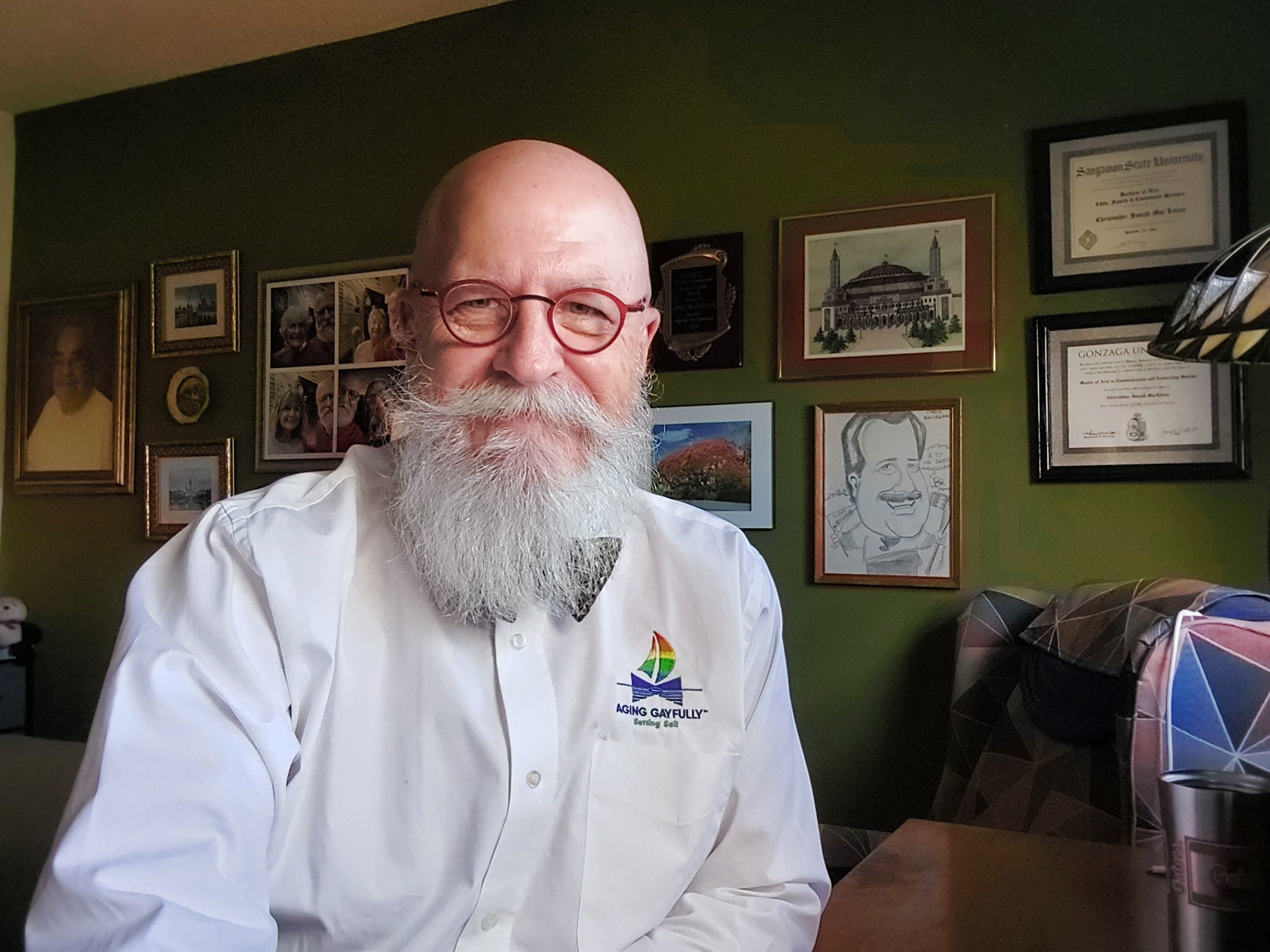
 Combining his personal stories and no-nonsense advice with a healthy dose of humor,
 In celebration of National Caregivers Day (
 while employers made adjustments in personnel policies to accommodate working parents. Now changes in FLMA are being proposed through local, state and nation wide legislation to impact the lives of family caregivers. This is happening not only because caregivers are sharing their stories, this is happening because family caregiving is taking place in every neighborhood, and in every boardroom. While in the midst of caregiving, we as family Caregivers do not recognize that we are the backbone of the American Health Care System. Yet when caregiving ends, and we have time to reflect on our time spent as a caregiver, we come to recognize the important role we played as an advocate. That is why we as caregivers, continue on with our mission; to share, to educate, and to heal.


 The Smart Home



 While I do not attempt to psychoanalyze these dreams, it has made me stop and think about my role as a family caregiver and my life after caregiving has ended. I know in my heart and my mind that I did all I could for Richard and no matter what I think I could have done differently, nothing was going to change Richard’s destiny as the cancer had spread throughout his body. However, the knowledge of knowing and accepting that I did all I could for him, does not change the fact of how much I miss him.


 Oh, there are many things I still want to do that were on our bucket list: visit the Grand Canyon, drive to Mount Rushmore, fly to Hawaii, more transatlantic cruises and a train ride through the Canadian Rockies. Now it is time to dust off the bucket list!
 So I think adding a little asterk at the end of your bucket list to include Caregiving is a great thing to do. The asterk can be a subtle reminder to have all your legal documents in order, or to be mindful of the unexpected, but most importantly-the asterk will remind you not to procrastinate and accomplish as many items on your bucket list as possible, because before you know it, the asterk arrives at the top of your list and your bucket list then starts to gather dust.


 The Purple Jacket