Tag Archives: The Bow-Tie-Guy

Caregiving Can Change Your Heart


be-healthy

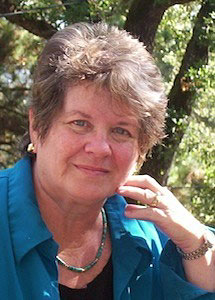
SuzannePerkins-140x178

Susan Perkins-Newman

Tuesday on ‘Be A Healthy Caregiver’  on Blog Talk Radio, I had the pleasure to visit with Suzanne Perkins-Newman, Founder and CEO of Answers For Elders.com.   Thrust into the role of Caregiver for her Mom at the height of her career,  Suzanne learned the importance of ‘living in my heart’ during her Caregiving journey.

Career focused and living life in the corporate world, Suzanne’s Caregiving journey provided her the opportunity to take a step back, “to be venerable”, “to be softer. ”  While living life in the reality of the care for her Mom, Suzanne’s Caregiving  changed her life in more ways than one.

Caregiving is not for the faint of heart; but Caregiving does change our heart!  Being entrusted with the care of another human being is one of the greatest honors that can be bestowed on another person.  While we caring-for-caregiverare in the midst of Caregiving, it may be difficult to see the importance of our role.  Sleepless nights, constant worry, loss of one’s individuality are just a sample of what Caregivers often feel during their Caregiving journey.   However, knowing that we are providing  a beautiful sunset to one’s life, will far outweigh the day-to-day challenges we face as a Caregiver. caring hands

 By combining her business knowledge and the passion Suzanne has in her heart, Suzanne created Answers For Elders.com.  I have no doubt that Suzanne’s endeavor will be a success and come to think about it, I’m sure Suzanne has always had a good and gentle heart!

To listen to our show, simply click here!

To visit   afe_fusion_logo, simply click here!

Listen to

cjmbtr (1)

every Tuesday at 1:00pm (EST)

You can access all our episodes of Be A Healthy Caregiver by simply clicking here! 


17 Comments

Filed under Caregiving, The Purple Jacket

Caregivers: Where Do You Look For Answers?


be-healthy

On Tuesday, June 4th at 1:00 pm (est) we welcome Suzanne Perkins-Newman, Founder and CEO of Answers For Elders.com to Be A Healthy Caregiver’ on Blog Talk Radio. You can listen to the show by clicking here! 

SuzannePerkins-140x178

Suzanne Perkins-Newman

As a successful business executive, Suzanne was thrust into the role of Caregiver for her Mom where she experienced a transformation in both her personal and professional life.

From Suzanne’s Caregiving experience, she founded Answers For Elders.com to assist Caregivers during their special Caregiving journey.  afe_fusion_logo

Answers For Elders.com  is a wonderful family caregiver’s resource where you will find professional experts, local resources, and helpful answers to all your care questions.  The site is user-friendly and easy to maneuver!  Through our conversation with Suzanne, we will all learn how to Be A Healthy Caregiver!’ 

Visit Answers For Elders by simply clicking here!

Listen to our show live on Tuesday, June 4th by simply clicking here!

cjmbtr (1)

Can’t listen live on Tuesday?  NO Worries!

All our episodes of ‘Be A Healthy Caregiver are archived for your listening convenience by clicking here! 

13 Comments

Filed under Caregiving, The Purple Jacket

Caregivers: How Do You Relieve Stress?


be-healthy

Tuesday on ‘Be A Healthy Caregiver’ on Blog Talk radio my guest, was Licensed Massage Therapist Wayne White.

facebook_-1752561015

Wayne White, LMT

Through the art of massage therapy, Wayne took us on a journey on how massage therapy can be a tool to aid in the healing of the mind, body, and spirit.   Wayne was clear in his message that massage therapy is not a replacement for curative care, yet a viable avenue to help reduce stress while being an aid in healing.

To listen to our episode on Massage Therapy with Wayne White, simply click here!

Having balance in life allows us to ‘Be A Healthy Caregiver’ yet finding that balance during our busy Caregiving days can be difficult.

Here are some simple ‘Bow Tie Guy’ Tips to help you find balance and ‘Be A Healthy Caregiver’ heart

   BAHC!

  •         Be  willing to set aside time in your day that is just for you.
  •         Allow yourself the freedom to explore something new.
  •        Have the courage to ask for help when needed.
  •        Care for yourself as well as you care for your Caree.


free

Be Free of Stress

Stress plays an adversarial role with our mind, body and spirit. Finding that delicate balance that will help relieve stress is essential for our well-being.  Taking that first step to help relieve  stress is often the most difficult step to take.

I would love to hear how you relieve stress in your life?  Feel free to leave your comments below or email me directly at Chris@thepurplejacket.com

                    Listen to  my show, ‘Be A Healthy Caregiver’ by simply clicking here!


cjmbtr (1)


5 Comments

Filed under Caregiving, The Purple Jacket

Caregivers: How Massage Therapy Can Help Relieve Stress


be-healthy


On Tuesday May 28th at 1:00 pm (est)  we welcome licensed massage therapist, Wayne White to our ‘Be A Healthy Caregiver’ Show on Blog Talk Radio!  To listen to the show live, simply click here! 

facebook_-1752561015

Wayne White, Licensed Massage Therapist

Massage therapy is one of the most soothing gifts that one can experience in life.  Stress relief and massage therapy go hand in hand.  Those long stressful days of work and Caregiving can be removed by the simple touch of a licensed massage therapist.

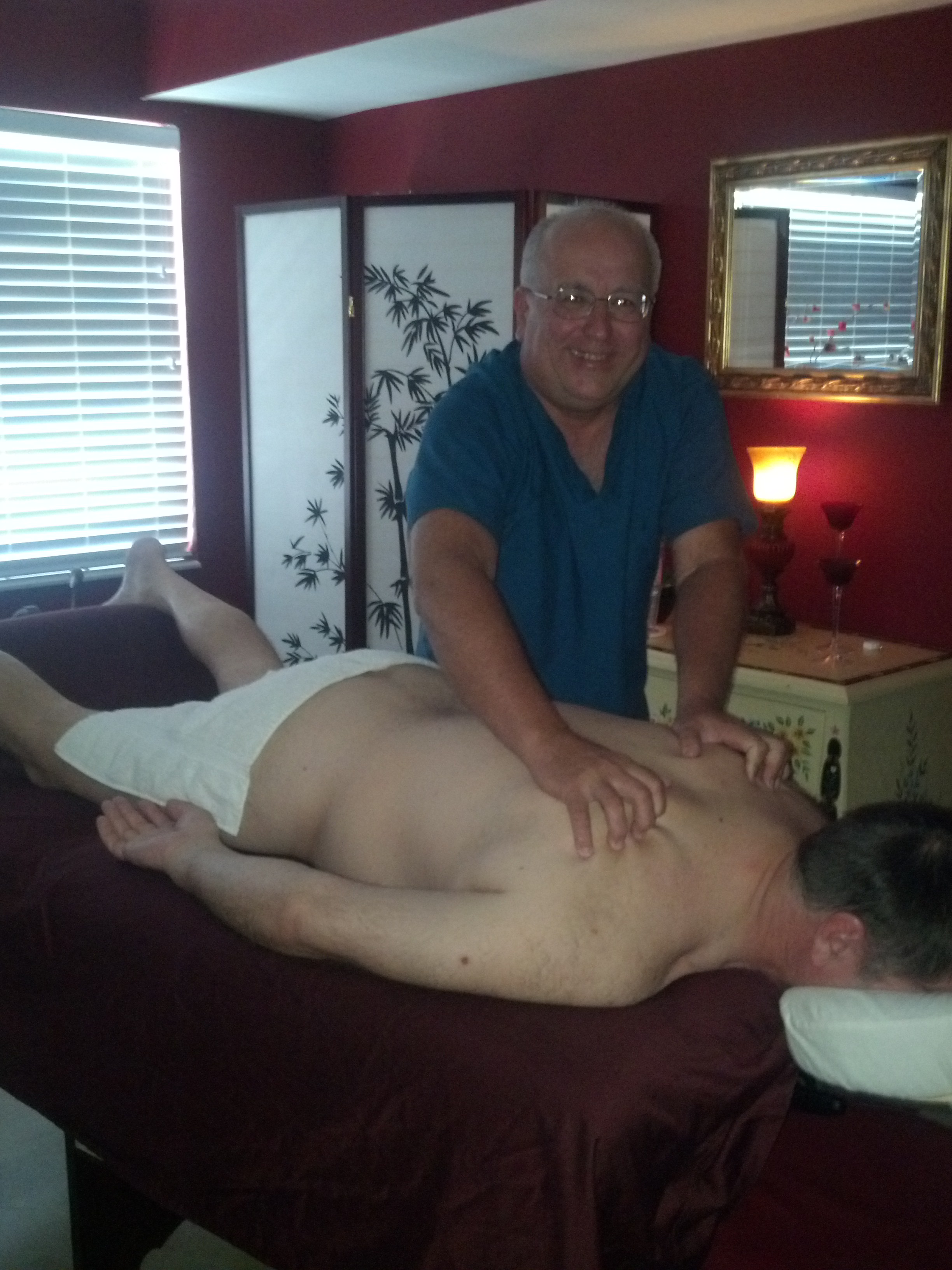
IMG_20130414_172953_569

Wayne working in his studio

On today’s show, we are going to explore with Wayne the art of massage therapy and why massage therapy is essential to good mental and physical health.  Through our conversation today with Wayne, we will all learn how to ‘Be A Healthy Caregiver!’

To listen to the show live on Tuesday at 1:00 pm (est), simply click here! 

cjmbtr (1)

Related articles

2 Comments

Filed under Caregiving, The Purple Jacket

Caregivers: Use Your Right Brain, Too!


BHC_fb

On Tuesday, we welcomed Benjamin Azevedo, M.D. from New Orléans Bow Ties to our ‘Be A Healthy Caregiver’ show on Blog Talk Radio. To listen to our entire show, simply click here!

Our conversation was more than just about the making of beautiful Bow Ties, our conversation centered on the importance of having an equal balance in life.  Ben recently graduated from Tulane Medical School in New Orleans and will be starting his internship in San Diego later this summer.  Medical school, like any academic disciplines, can be trying, even for the most dedicated students.

Ben has always resonated with the idea that there are two sides to the brain; the left being in charge of linear analytical thinking and focuses, ordered, logical execution while the right is more expansive, creative, and boundless.  During his blog_Brainfirst year in medical school, Ben realized that he was letting his left-brain take control of his life and strip it of the art, music, and imagination that his family had fostered throughout his life.  Ben put a conscious effort into letting go of his stress and thrust himself into the exploration of what his right brain had to offer.  Ben first began to cook, to draw, to exercise more and get out into nature.  Then the idea came of creating beautiful Bow Ties, which has become a conversational piece in his work, while allowing his right brain to explore.  Along with his masterful work of creating beautiful bow ties, Ben also recognized the need for Doctors to learn how to communicate good patient care, especially when dealing with difficult end of life issues with patients and their families.    With his attraction to palliative care and hospice, Ben created an elective course at Tulane University teaching the art of communication to medical students.  The course has been well-received by both students and faculty. “This is cutting edge material”, I thought.  We all know there is more to Doctor/Patient, Doctor/Family communication than just reading a chart!   With his communication class, Ben is providing a great tool for medical students, who in most cases, would never have been exposed to such an important learning tool. 

As our conversation continued, I was struck by how much I have let my right brain linger.  As a Caregiver, I realized that I am constantly in the left – brain mode; always analyzing, worrying, thinking about the need of my caree, completely focused on his needs rather than my own.    As my weight continues to rise, while my hobbies are put on hold,  my right brain strives to be released from its shackles, to explore, to create to be free again.  I wonder how many caregivers might just feel the same way?  I know I am going to make a conscious effort to be more creative while elimination self imposed stress! 

Ben’s terrific example of letting his left brain explore, not only afforded him the opportunity to make beautiful bow ties, it allowed him to go on step further by combining the best of his right and left brain by creating such a meaningful communication class for medical students!

blog_Bow-Tie

This next time I run into a young physician who provides empathic communication, I will want to ask them if they took Ben’s communication class at Tulane University.   If they are wearing a bow tie, I’ll know it without even asking!  


Listen to:

cjmbtr (1)                                             Every Tuesday at 1:00 pm

                                Can’t listen Live?  NO Worries!  All our shows

                               are  archived for your convenience by clicking

HERE!

Leave a comment

Filed under Caregiving, The Purple Jacket

Tuesday on ‘Be A Healthy Caregiver’: Benjamin Azevedo


BHC_fb


On Tuesday May 21st at 1:00 pm (est), we welcome Benjamin Azevedo, M.D. from New Orléans Bow Ties to our ‘Be A Healthy Caregiver’ show on Blog  Talk Radio.  Ben is a recent  graduated from Tulane University in New Orléans and will be heading to San Diego to start his residency program later this summer. To listen to our show, simply click here!

Ben_Azevedo

Ben has always resonated with the idea that there are two sides to the brain; the left being in charge of linear analytical thinking and focuses, ordered, logical execution while the right is more expansive, creative, and boundless.  During his first year in medical school, Ben realized that he was letting his left brain take control of his life and strip it of the art and music and imagination that his family had fostered throughout his life. He put a conscious effort into letting go of his stress and thrust himself into the exploration of what his right brain had to offer.

slideshow_5

Ben began to cook, to draw, to exercise more and to get out into nature.  Then the idea came of creating beautiful bow ties which has become a conversational piece in his work, while allowing his right brain to explore!

Ben’s passion and life goals are in medicine and public health, but he has realized that without a healthy balance of the dreaming artist and the practical scholar, he would be less happy, less productive, and miss out on the vibe of his favorite city. He is grateful for a hardworking team that believes in his vision and allows him to lead a life that balances fashion and scholarship.

Every day as he looks in the mirror, buttons his shirt collar, and methodically ties his hand-made bow tie, he is reminded of the balance he is seeking. His left brain is satisfied by the process, the order, and the crisp look of the bright silk in parallel with his smile, while his right brain expounds on the imperfect asymmetry of the knot and the creativity that got him to this point. 

blog_Bow-Tie

On today’s show, Ben will demonstrate to us the importance of having an equal balance in our lives so that we can all ‘Be A Healthy Caregiver!’

To listen to our show, simply click here!

cjmbtr (1)

Can’t listen live…NO WORRIES!  All our shows are archived for your listening convenience by clicking here! 

Leave a comment

Filed under Caregiving, The Purple Jacket

How can Retirement Communities Improve Life of Aging Family Members?


be-healthy


Today we welcome Andy from Patient Handling , as a guest blogger to ‘The Purple Jacket’.

Retirement communities are popular these days. Retirees prefer to live within such villages because they are spared from the typical rudiments of living with children and teens. Such places are also quieter, enabling seniors to live a quiet and more peaceful lifestyle.

 Living in retirement communities can  bring significant improvements in the daily lives of aging family members. Here are some ways these villages can be beneficial to seniors.

 Downsizing:

Retirement villages encourage retirees to arrive with as few possessions as possible. This because they will be living in a smaller space, and do not need a lot of things for just one person. While this may seem constricting, it is actually good since the retiree will not have to take care of – or clean – as many things as they would have to were they to live in a full-sized home. This way freedom from required home maintenance is a great perk. There is no sense in living in a big house. Seniors would not have the stamina, strength, and drive to take care of huge mansions.

 Social connections:

Interaction and socialization with other people is important for people. As retirees leave their careers behind, they may suddenly feel detached from the society, where they used to actively participate. Retirement communities help facilitate the need for socialization. Retirees may live in a neighborhood where all residents are retirees. This way, it would be much easier to relate with everyone in the village.

 Recreational activities:

Retirees have more time for recreation. That is why there are many facilities that encourage recreational activities within retirement villages. Retirees can thus enjoy Bingo, and other activities without having to go too far. It can be difficult for older people to travel too far for social events, which is why a retirement community will be the perfect place, since they can socialize with their friends easily. Furthermore, most retirement communities employ well-trained activity directors.

 Assisted living services:

Those who require assistance in conducting daily and basic household activities can take advantage of assisted living services offered to retirees in retirement communities. The villages employ health care professionals, medical security personnel, and other experts to provide health services within the community when needed.

 Easy transportation:

Retirees may find it harder to roam around, drive, or commute when going to places. That is why most retirement communities are designed to facilitate easy transportation. The villages are often ‘walkable’ areas. Transportation services are quickly provided for the convenience of all retirees living in the area.

 Most retirees proclaim their plans not to leave their homes when they retire. But many seniors change their stances and opt to live in retirement communities. It would be nicer to live in a neighborhood where everyone understands and relates with everyone. Before you reach your retirement age, you can already make plans for your retirement years. That should include living in an ideal retirement village.

 Andy has blogged about senior care for over 4 years and is involved in the senior  industry as a patient ceiling hoist distributor for Patient Handling. When he is not blogging, Andy enjoys spending time with his family.  Please be sure to visit Patient Handling website at http://patienthandling.com.au/ceiling-hoists/

Thanks Andy for sharing your insights and information with our readers at ‘The Purple Jacket!’

                                                                                                  Be sure to listen to 

cjmbtr (1)

every Tuesday at 1:00 pm (est)

Can’t listen live to our show…NO Worries! All our shows are archived for your

listening convenience by simply clicking here.

Leave a comment

Filed under Caregiving, The Purple Jacket

‘Guys Who Care’


be-healthy
GetContent
The article below was written by Diane C. ‍Lade Staff writer of the South Florida Sun-Sentinel.  Diane has given me permission to share this article with my readers.   Thank You Diane for including us in your article and drawing attention to ‘Guys Who Care’.  Job well done!  dlade@tribune.com   


Men assuming roles as caregivers need special support!

Do you ever get used to changing the diaper of the woman who once diapered your babies? How do you deal with not knowing how to cook a simple meal when you used to be a company CEO? What should you say when your wife, afflicted by Alzheimer’s disease, asks you to have sex every time you visit her in the nursing home?

Like anyone tending to a family member with a debilitating medical condition, male caregivers face hard challenges. But experts are beginning to recognize men may face those challenges in different ways than women and require different kinds of help.

“There are some men who are going to feel uncomfortable talking about their issues in mixed [company],” said Dale Bruhn, 88, of Delray Beach, who runs the men-only support group offered by the Alzheimer’s Association Southeast Florida Chapter.

Bruhn knows about the walls men put up from personal experience. He began suffering mock heart attacks from the stress of caring for his wife at home for seven years; she was diagnosed with Alzheimer’s when she was only 60. He kept insisting he was fine, a trait shared by many male caregivers, Bruhn said, raised to believe that boys don’t cry.

Finally when his wife’s nurse browbeat him into joining a support group, Bruhn was surprised he was able to share his pain and fear — in part because, by chance, the group was predominantly men.

“Women are not afraid to talk or express their opinions, and that can be frightening to men who are new to Caregiving. Sometimes, men-only is a good thing,” he said. “Many aren’t used to being domestic helpers and need help coping with the new demands they face.”

Just a decade ago, less than a quarter of caregivers were men. But that has been rapidly changing, with more women working and more men accepting nurturing roles like being a stay-at-home dad. About 35 percent of people who call themselves caregivers are male, according to the 2009 Caregiving in the USA study of about 1,500 people, from the National Alliance for Caregiving and AARP. The numbers are higher among those in the workplace, who tend to be younger, with about 45 percent being male, the study found.

Yet there still are few resources or programs targeting men, something some experts think should change.

For example, men caring for sick or elder relatives “tend not to share with their colleagues or supervisors why they might need time off,” National Alliance CEO Gail Hunt said. “Having something in the workplace that reaches out specifically to men might be helpful.”

 Hospice by the Sea, which offers caregiver support in Broward and Palm Beach counties through its Aloesea program, will be looking at men as part of its new study on workplace Caregiving, funded by United Healthcare.

The organization so far has not developed any guys-only programs. But one formed by default several years ago, when five men and only one woman signed up for a short-term, grant-funded Hospice by the Sea cancer support group in Boca Raton.

The woman soon dropped out “but the five men formed such a bond and felt so comfortable with each other, they came every week,” said Stefanie McKee, the hospice’s senior director for program development and analysis. “Men don’t talk about these issues when they get together on the golf course.”

McKee noticed how often the participants coped and communicated through humor, something women do far less often. “It made me think that men might be more likely to come to an all-male group,” she said.

The Alzheimer’s Family Center in Margate has noticed about 20 percent of those who come for caregiver counseling are men now, as compared with 10 percent a decade ago.

And the local Alzheimer’s Association chapter, which sponsors Bruhn’s gatherings, is experiencing a similar trend: about 38 percent of support group participants this year are men, up from 33 percent last year.

Jamie Brodarick, the chapter’s program service manager, said more men-exclusive groups might be added. And she already is trying to recruit more male facilitators; Bruhn is one of two at this point.

“We know that men tend to approach Caregiving somewhat differently than women. They are more pragmatic. Their primary concerns are having the right doctors, managing medications,” Brodarick said. “Women are more concerned about the socialization and emotional well-being of those they are caring for.”

 Homewatch CareGivers — a Denver-based home health company with one franchise in Miami-Dade and two pending for Broward and Palm Beach counties — in September started a just-for-men advice website to tap into a potential new client base. Home-watch President Leann Reynolds said franchise partners had been reporting they were getting more calls from caregiving sons, husbands and grandsons.

The site, MaleCaregiver.com

Community.com  , serves as a discussion board where topics include health conditions, care options and taking care of yourself. Recent posts include one from a Vietnam veteran wanting advice about caring for his wife who was partially paralyzed by a stroke, and a son who was heartbroken when his lonely father started dating while caring for his Alzheimer’s-stricken mother.

Experts say one reason male caregiver numbers are growing is that more men today are identifying with the term. Another is that more older gay men, who once worried that admitting they cared for an elderly parent or partner would lead to questions about their sexual orientation, are coming out of the closet.

Chris MacLellan, coordinator of senior services for the SunServe LGBT social service agency in Wilton Manors, has been nursing his longtime companion Richard Schiffer, through cancer for two years. MacLellan did the same earlier for another man he loved deeply until his death six years ago.

“What I knew from my experience from the first time is that I didn’t have an outlet. In most cases, women will ask for help but men will be more reticent. Me, I was caught off-guard changing a diaper,” MacLellan said.

He now dedicates his free time to giving comfort and self-care advice through his blog and an Internet radio show at ThePurpleJacket.com . While his efforts are definitely LGBT- and male-friendly, Caregiving is “something that has no gender or orientation boundaries,” he said.

PHOTOS BY CARLINE JEAN/STAFF PHOTOGRAPHER Dale Bruhn, 88, of Delray Beach, cared for his wife, Norma Bruhn, for years after she was diagnosed with Alzheimer’s disease at age 60. He runs a men-only support group.

Chris MacLellan, left, coordinator of senior services for the SunServe LGBT social service agency in Wilton Manors, has been nursing his longtime companion, Richard Schiffer, through cancer for two years.


Caregiving resources

Elder Helpline: Can link to local support groups. Call 800-963-5337.

National Alliance for Caregiving: Resource and research. Caregiving.org

Family Care Navigator: State-by-state online resource list. Part of nonprofit National Center on Caregiving.

Caregiving.com 

Listen to

cjmbtr (1)

Every Tuesday at 1:00 pm (est

1 Comment

Filed under Caregiving, The Purple Jacket

Tuesday on ‘Be A Healthy Caregiver:’ Taking Care of Self!


BHC_fb


On Tuesday May 7th at 1:00pm (est) we welcome psychologist Robert J Blattner Ph.D and Susan Holt, Executive Director at Nerium to our show on Blog Talk Radio.  You can access our show live on Tuesday by clicking here!

Dr. Blattner soothing style has helped many patients since he started his practice in 1989.  A proponent of a holistic approach to good heath and spirituality, Dr. Blattner has a keen sense of what it means to ‘Be A Healthy Caregiver’.
Susan Holt is the Executive Director with Nerium International. Susan will be chatting about how an ‘accidental discovery’ lead to a real breakthrough in age-defining skin care.
Print
On today’s show, I am proud to announce my association with Nerium and through our conversation today with Dr. Blattner and Susan, we will learn how taking better care of yourself will help you ‘Be A Healthy Caregiver.’

To learn more about Nerium please click here!

To learn more about Dr. Robert Blattner, click here! 

To listen to our show live, simply click here!

cjmbtr (1)

Can’t listen live on Tuesday…NO Worries!!! All of our shows are archived for your listening convenience by clicking here! 

Related articles


1 Comment

Filed under Caregiving, The Purple Jacket

Tuesday on ‘Be A Healthy Caregiver:’ Caring Is Not Enough


be-healthyOn Tuesday, April 30th at 1:00 pm (est) we welcome author Terry Ann Black, RN to our ‘Be A Healthy Caregiver show on Blog Talk Radio.  To access the show live on Tuesday, simply click here!

TerrynewspixcroppedNoCaptio

Terry Ann Black, RN

As a  registered nurse for 47 years, Terry has  worked with many people in times of crisis. However her life changing experience came when Terry’s father-in-law died in an auto accident, leaving  her family with limited knowledge on where to find all his important documents.

CINEcoveronly (1)

Now in its 5th edition, Terry’s book Caring Is Not Enough provides her readers with a clear and concise information on how individuals and families can get their affairs in order. Through our conversation on Tuesday, Terry will demonstrate to us how we can ‘Be A Healthy Caregiver’

Visit Terry’s  website and buy her book by simply click here! 

Visit Terry’s Blog by simply clicking here! 

To listen to Tuesday’s show live, simply click here! 

Cannot listen live on Tuesday...NO Worries!!!  

cjmbtr (1)

Our shows are archived for your listening convenience.  You can access all our episodes of ‘Be A Healthy Caregiver by simply clicking here!


Always remember… “It’s Our Hope That Lets Us Withstand ProblemsIt’s Our Dreams That Let’s Us Find solutions! 

Leave a comment

Filed under Caregiving, The Purple Jacket